
MultiQuip
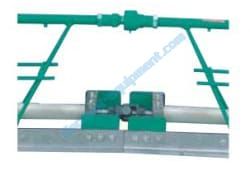
Multiquip WSHEKITUJ Screed-Engine Universal Joint Kit
- Part number
- WSHEKITUJ
- Model
- WSHEKITUJ
- Year
- 2/2/2026
- Condition
- NEW
$738.05List $1018.00Save $279.95
MultiQuip orders have a $50.00 minimum (Multiquip family)
Genuine OEMShips nationwideExpert support
Multiquip WSHEKITUJ Screed-Engine Universal Joint Kit
Multiquip WSHEKITUJ Whiteman Vibratory Screed Engine Powered Screed - Kits Universal Joint Kit; includes crown coupler & U-joint; for engine screed
Multiquip's vibratory truss screed exceeds contractor's expectations for leveling pavement and industrial floors. Its proven steel design has made it a favorite of concrete contractors for years.
Features
Eccentric shaft design produces 8,000 vibration cycle nodes per minute
Ideal for jobs ranging from small to large flat work pours, bridges and highways and many applications in between
Powered by an 11 HP Honda GX340 engine. Engine kits are available factory installed on 5-foot truss sections for reduced set up time at the job site
Winch options include manual or self-propelled models. Self-propelled models come completely assembled and mounted on a 2.5-foot section of screed
Crowns/Inverts may be ordered separately
Multiquip WSHEKITUJ Screed-Engine Universal Joint Kit
Multiquip WSHE/MSHE Series Truss Screed
Engine-Powered Screed Specifications
Recommended Slump..... 3 in / 76 mm
Max Concrete Depth..... 8 in / 203 mm
Max Screed Width..... 65 ft / 19.8 m
Multiquip WSHE/MSHE Series Truss Screed
Multiquip MSHE25 Truss Section 2.5 w / Engine-Driven Steel Vibratory Screed
GENERAL SAFETY
CAUTION
NEVER operate this equipment without proper protective clothing, shatterproof glasses, respiratory protection, hearing protection, steel-toed boots and other protective devices required by the job or city and state regulations.
Avoid wearing jewelry or loose fitting clothes that may snag on the controls or moving parts as this can cause serious injury.
NEVER operate this equipment when not feeling well due to fatigue, illness or when
under medication.
NEVER operate this equipment under the influence of drugs or alcohol.
ALWAYS clear the work area of any debris, tools, etc. that would constitute a hazard while the equipment is in operation.
No one other than the operator is to be in the working area when the equipment is in operation.
DO NOT use the equipment for any purpose other than its intended purposes or applications.
NOTICE
This equipment should only be operated by trained and qualified personnel 18 years of age and older.
Whenever necessary, replace nameplate, operation and safety decals when they become difficult read.
Manufacturer does not assume responsibility for any accident due to equipment modifications. Unauthorized equipment modification will void all warranties.
NEVER use accessories or attachments that are not recommended by Multiquip for this equipment. Damage to the equipment and/or injury to user may result.
ALWAYS know the location of the nearest fire extinguisher.
ALWAYS know the location of the nearest first aid kit
ALWAYS know the location of the nearest phone or keep a phone on the job site. Also, know the phone numbers of the nearest ambulance, doctor and fi re department.
This information will be invaluable in the case of an emergency.
SCREED SAFETY
DANGER
Engine fuel exhaust gases contain poisonous carbon monoxide. This gas is colorless and odorless, and can cause death if inhaled.
The engine of this equipment requires an adequate free flow of cooling air. NEVER operate this equipment in any enclosed or narrow area where free flow of the air is restricted. If the air flow is restricted it will cause injury to people and property and serious damage to the equipment or engine.
NEVER operate the equipment in an explosive atmosphere or near combustible materials. An explosion or fi re could result causing severe bodily harm or even death
WARNING
If applicable, NEVER use your hand to fi nd hydraulic leaks. Use a piece of wood or cardboard. Hydraulic fluid injected into the skin must be treated by a knowledgeable physician immediately or severe injury or death can occur.
ALWAYS keep clear of rotating or moving parts while operating the screed.
NEVER disconnect any emergency or safety devices.
These devices are intended for operator safety.
Disconnection of these devices can cause severe injury, bodily harm or even death. Disconnection of any of these devices will void all warranties.
CAUTION
NEVER allow passengers or riders on the screed during operation.
NEVER lubricate components or attempt service on a running machine.
NOTICE
ALWAYS keep the machine in proper running condition.
Fix damage to machine and replace any broken parts immediately.
ALWAYS store equipment properly when it is not being used. Equipment should be stored in a clean, dry location out of the reach of children and unauthorized personnel.
ENGINE SAFETY
WARNING
DO NOT place hands or fingers inside engine compartment when engine is running.
NEVER operate the engine with heat shields or guards removed.
Keep fingers, hands hair and clothing away from all moving parts to prevent injury.
DO NOT remove the engine oil drain plug while the engine is hot. The possibility of hot oil exists which could cause severe scalding.
CAUTION
NEVER touch the hot exhaust manifold, muffler or cylinder. Allow these parts to cool before servicing equipment.
NOTICE
NEVER run engine without an air filter or with a dirty air filter. Severe engine damage may occur. Service air filter frequently to prevent engine malfunction.
NEVER tamper with the factory settings of the engine or engine governor. Damage
to the engine or equipment can result if operating in speed ranges above the
maximum allowable
FUEL SAFETY
DANGER
DO NOT start the engine near spilled fuel or combustible fluids. Fuel is extremely flammable and its vapors can cause an explosion if ignited.
ALWAYS refuel in a well-ventilated area, away from sparks and open flames.
ALWAYS use extreme caution when working with flammable liquids.
DO NOT fill the fuel tank while the engine is running or hot.
DO NOT overfill tank, since spilled fuel could ignite if it comes into contact with hot engine parts or sparks from the ignition system.
Store fuel in appropriate containers, in well-ventilated areas and away from sparks and flames.
NEVER use fuel as a cleaning agent.
DO NOT smoke around or near the equipment. Fire or explosion could result
from fuel vapors or if fuel is spilled on a hot engine.
TRANSPORTING SAFETY
CAUTION
NEVER allow any person or animal to stand underneath the equipment while
lifting.
NEVER lift or transport screed with personnel standing on the screed.
Use proper heavy lifting procedures when lifting the screed.
NOTICE
Machine can be transported on flatbed truck of proper weight capacity.
The easiest way to lift the screed is to attach lifting hooks to the screed frame. Lifting hooks should be placed at equal distances from each end of the screed.
A strap or chain can be attached to these hooks, allowing a forklift or crane to lift the screed up onto and off of a slab of concrete. The strap or chain should have a minimum of 2,000 pounds (1,000 kg) lifting capacity and the lifting
device must be capable of lifting at least this amount.
Always make sure crane or lifting device has been properly secured to the lifting hooks on the equipment.
ALWAYS shutdown engine before transporting.
NEVER lift the equipment while the engine is running.
Tighten fuel tank cap securely and close fuel cock to prevent fuel from spilling.
Use adequate lifting cable (wire or rope) of sufficient strength.
DO NOT lift machine to unnecessary heights.
ALWAYS tie down equipment during transport by securing the equipment with rope.
TOWING SAFETY
CAUTION
Check with your local county or state safety towing regulations, in addition to meeting Department of Transportation (DOT) Safety Towing Regulations, before towing your screed.
In order to reduce the possibility of an accident while transporting the screed on public roads, ALWAYS make sure the trailer that supports the screed and the towing
vehicle are mechanically sound and in good operating condition.
ALWAYS shutdown engine before transporting
Make sure the hitch and coupling of the towing vehicle are rated equal to, or greater than the trailer “gross vehicle weight rating.”
ALWAYS inspect the hitch and coupling for wear. NEVER tow a trailer with defective hitches, couplings, chains, etc.
Check the tire air pressure on both towing vehicle and trailer. Trailer tires should be inflated to 50 psi cold.
Also check the tire tread wear on both vehicles.
ALWAYS make sure the trailer is equipped with a safety chain.
ALWAYS properly attach trailer’s safety chains to towing vehicle.
ALWAYS make sure the vehicle and trailer directional, backup, brake and trailer lights are connected and working properly.
DOT Requirements include the following:
• Connect and test electric brake operation.
• Secure portable power cables in cable tray with tie wraps.
The maximum speed for highway towing is 55 MPH unless posted otherwise. Recommended off-road towing is not to exceed 15 MPH or less depending on type of terrain.
Avoid sudden stops and starts. This can cause skidding, or jack-knifing. Smooth, gradual starts and stops will improve towing.
Avoid sharp turns to prevent rolling.
Trailer should be adjusted to a level position at all times when towing.
Raise and lock trailer wheel stand in up position when towing.
Place chock blocks underneath wheel to prevent rolling while parked.
Place support blocks underneath the trailer’s bumper to prevent tipping while parked.
Use the trailer’s swivel jack to adjust the trailer height to a level position while parked.
ENVIRONMENTAL SAFETY/DECOMMISSIONING
NOTICE
Decommissioning is a controlled process used to safely retire a piece of equipment that is no longer serviceable.
If the equipment poses an unacceptable and unrepairable safety risk due to wear or damage or is no longer cost effective to maintain (beyond life-cycle reliability) and is to be decommissioned (demolition and dismantlement),be sure to follow rules below
DO NOT pour waste or oil directly onto the ground, down a drain or into any water source.
Contact your country's Department of Public Works or recycling agency in your
area and arrange for proper disposal of any electrical components, waste or oil
associated with this equipment.
When the life cycle of this equipment is over, it is recommended that the screed frame and all other metal parts be sent to a recycling center.
Metal recycling involves the collection of metal from discarded products and its transformation into raw materials to use in manufacturing a new product.
Recyclers and manufacturers alike promote the process of recycling metal. Using a metal recycling center promotes energy cost savings.
NOTICE
The gasoline engine used in this equipment has been designed to reduce harmful levels of carbon monoxide (CO), hydrocarbons (HC) and nitrogen oxides (NOx)
contained in diesel exhaust emissions.
This engine has been certified to meet US EPA Evaporative emissions requirements in the installed configuration.
Attempting to modify or make adjustments to the engine emission system by unauthorized personnel without proper training could damage the equipment or create an unsafe condition.
Additionally, modifying the fuel system may adversely affect evaporative emissions, resulting in fines or other penalties.
Emission Control Label
The emission control label is an integral part of the emission system and is strictly controlled by regulations.
The label must remain with the engine for its entire life.
If a replacement emission label is needed, please contact your authorized Honda Engine Distributor.
- Multiquip Whiteman WSHE20 Vibratory Truss Screed Parts Manual PN 36864 Rev-2 August 2022
- Multiquip Whiteman WSHE20 Vibratory Truss Screed Operation Manual PN 36870 Rev-0 May 2012
- Multiquip Product Training Handbook-2016
- Vibratory Truss Screed Brochure-Rev 1118
- Multiquip WSHE / MSHE Screed Operation Manual-Pin 13417-08-30-2019-Rev 1
Related parts
Top selling MultiQuip products
Multiquip
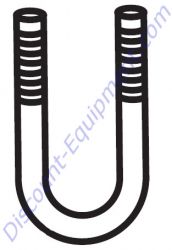
200297 (EM200297) U-Bolt for Stow MS63, MS70, MS93, Essick EM-120SM
PN: EM200297
$3.24
Multiquip
20654-001 Seal Shaft for Whiteman WM70, WM90
PN: 20654-001
$5.66
Multiquip
20104-002 Seal Shaft Urethane for Whiteman WM90,WM70,MS63,MS93
PN: 20104-002
$7.16
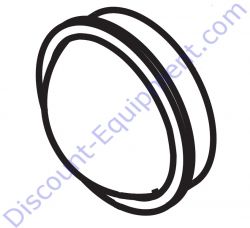
Multiquip
3249 Cap, Dust for Essick & Whiteman Models
PN: 3249
$11.57
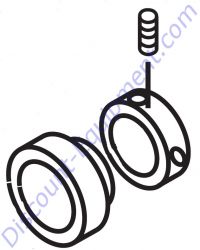
Multiquip
20561-001 Bearing Sealed for Stow MS63, MS70, MS93
PN: 20561-001
$28.13
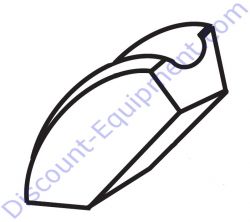
Multiquip
EM200292 Paddle Arm Insert Casting for Stow MS63, MS70, MS93
PN: EM200292
$4.65
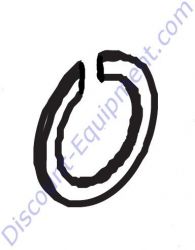
Multiquip
530029 Ring Retention for Whiteman WM70, WM90
PN: 530029
$10.65
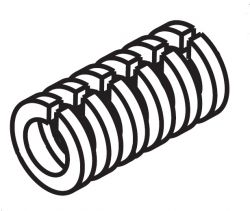
Multiquip
200301 EM200301 Single Packing Ring for Essick EM70, EM90, EM120SM
PN: EM200301
$15.84
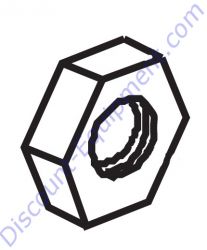
Multiquip
492584 Nut Lock 1/2" for Essick EM70, EM90, EM120H, Whiteman WM70, WM90, WM120H
PN: 492584
$0.40
Multiquip
20654-001 Seal Shaft for Stow MS63, MS70, MS93
PN: 20654-001
$5.66
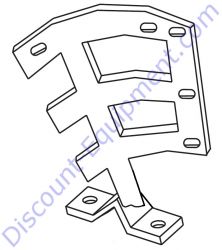
Multiquip
200296B EM200296B (EM200296A) Paddle Arm EE for Stow MS93
PN: EM200296A
$80.83
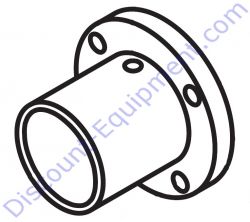
Multiquip
514778 Trunnion Hub for Whiteman WM70, WM90
PN: 514778
$41.83
MultiQuip service & parts manuals
- Multiquip MT-86D Rammer
- Mikasa - Multiquip MVH406DSCPAS Reversible Plate Compactor
- Mikasa - Multiquip MTe55 Rammer
- Multiquip Mikasa MTe55 Rammer
- Multiquip MP2075E3 Masonry Saw
- Mikasa - Multiquip MT76D Tamping Rammer
- Mikasa - Multiquip MVH406GH Reversible Plate Compactor
- Mikasa - Multiquip MVCE64VBW One-Way Plate Compactor
- Mikasa - Multiquip MT-60HS Tamping Rammer
- Mikasa - Multiquip MVHeR60B Plate Compactor
- Mikasa - Multiquip MVH-702DRSC Reversible Plate Compactor
- Multiquip MP2050E3 Masonry Saw
- Mikasa - Multiquip MVH306DSCPAS Reversible Plate Compactor
- Multiquip MT-74F Rammer
- Multiquip MP2050E1 Masonry Saw
- Mikasa - Multiquip MVH206D Reversible Plate Compactor
- Multiquip MT-54F Rammer
- Mikasa - Multiquip MVH206GH Reversible Plate Compactor
- Mikasa - Multiquip MTe55B Rammer
- Multiquip MP1240E Masonry Saw