
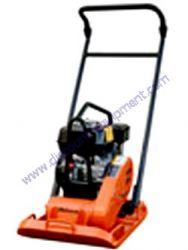
Multiquip / Mikasa
Multiquip / Mikasa MVC82VH Compactor, Forward Plate, 18", 3080lb, Honda GX160 Engine, w/o Water Tank
- Part number
- MVC82VH
- Model
- MVC82VH
- Year
- 2/1/2026
- Condition
- New
$2187.54List $2743.00Save $555.46
Genuine OEMShips nationwideFree shippingExpert support
Multiquip / Mikasa MVC82VH Compactor, Forward Plate, 18", 3080lb, Honda GX160 Engine, w/o Water Tank
Recognized as the industry standard for compacting granular soils and asphalt.
Features
•Anti-vibration handle, reduces vibration to the operator by 50%
•Economical price tag
•Solid, high-strength steel base plate with curved edges for excellent performance and smooth turns on hot asphalt
•Highly maneuverable, ideal for tight, confined areas
Multiquip / Mikasa MVC82VH Compactor, Forward Plate, 18", 3080lb, Honda GX160 Engine, w/o Water Tank
• Anti-vibration handle, reduces vibration to the operator by 50%
• Economical price tag
• Solid, high-strength steel base plate with curved edges for excellent performance and smooth turns on hot asphalt
• Highly maneuverable, ideal for tight, confined areas Forward Plate, 18", 3080lb, Honda Engine
Multiquip MVC82VH Plate Compactor, 18", Honda GX160 Engine, w/o Water Tank
Unit Specifications
Centrifugal Force..... 3080 lbf / 13.7 kN
Exciter Speed..... 5600 VPM
Plate Size..... 17.7 x 22.4 in / 450 x 570 mm
Max Forward Speed Per Min.....72 ft / 22 m
Fuel Consumption Per Hour..... 0.31 gal / 1.17 L
Dimensions & Weights
Overall Length..... 36 in / 914 mm
Overall Width..... 17.7 in / 450 mm
Overall Height..... 39.5 in / 1003 mm
Shipping Dimensions..... 33.5 x 18.5 x 27 in / 851 x 470 x 686 mm
Operating Weight..... 175 lb / 79 kg
Shipping Weight..... 200 lb / 91 kg
Multiquip MVC82VH Plate Compactor
SAFETY INFORMATION
GENERAL SAFETY
CAUTION
NEVER operate this equipment without proper protective clothing, shatterproof glasses, respiratory protection, hearing protection, steel-toed boots and other protective devices required by the job or city and state regulations.
NEVER operate this equipment when not feeling well due to fatigue, illness or when under medication.
NEVER operate this equipment under the influence of drugs or alcohol.
ALWAYS check the equipment for loosened threads or bolts before starting.
DO NOT use the equipment for any purpose other than its intended purposes or applications.
ALWAYS clear the work area of any debris, tools, etc. that would constitute a hazard while the equipment is in operation.
NOTICE
This equipment should only be operated by trained and qualified personnel 18 years of age and older.
Whenever necessary, replace nameplate, operation and safety decals when they become difficult read.
Manufacturer does not assume responsibility for any accident due to equipment modifications. Unauthorized equipment modification will void all warranties.
NEVER use accessories or attachments that are not recommended by Multiquip for this equipment. Damage to the equipment and/or injury to user may result.
ALWAYS know the location of the nearest fire extinguisher.
ALWAYS know the location of the nearest first aid kit.
ALWAYS know the location of the nearest phone or keep a phone on the job site. Also, know the phone numbers of the nearest ambulance, doctor and fi re department.
This information will be invaluable in the case of an emergency.
COMPACTOR SAFETY
DANGER
NEVER operate the equipment in an explosive atmosphere or near combustible materials. An explosion or fire could result causing severe bodily harm or even death.
WARNING
NEVER disconnect any emergency or safety devices.
These devices are intended for operator safety.
Disconnection of these devices can cause severe injury, bodily harm or even death. Disconnection of any of these devices will void all warranties.
CAUTION
NEVER lubricate components or attempt service on a running machine.
NOTICE
ALWAYS keep the machine in proper running condition.
Fix damage to machine and replace any broken parts immediately.
ALWAYS store equipment properly when it is not being used. Equipment should be stored in a clean, dry location out of the reach of children and unauthorized personnel
ENGINE SAFETY
DANGER
The engine fuel exhaust gases contain poisonous carbon monoxide. This gas is colorless and odorless, and can cause death if inhaled.
The engine of this equipment requires an adequate free flow of cooling air. NEVER operate this equipment in any enclosed or narrow area where free flow of the
air is restricted. If the air flow is restricted it will cause injury to people and property and serious damage to the equipment or engine.
WARNING
DO NOT place hands or fingers inside engine compartment when engine is running.
NEVER operate the engine with heat shields or guards removed.
Keep fingers, hands hair and clothing away from all moving parts to prevent injury.
DO NOT remove the radiator cap while the engine is hot. High pressure boiling water will gush out of the radiator and severely scald any persons in the
general area of the compactor.
DO NOT remove the coolant drain plug while the engine is hot. Hot coolant will
gush out of the coolant tank and severely scald any persons in the general area of the compactor.
DO NOT remove the engine oil drain plug while the engine is hot. Hot oil will gush out of the oil tank and severely scald any persons in the general area of the compactor.
CAUTION
NEVER touch the hot exhaust manifold, muffler or cylinder. Allow these parts to cool before servicing equipment.
NOTICE
NEVER run engine without an air filter or with a dirty air filter. Severe engine damage may occur. Service air filter frequently to prevent engine malfunction.
NEVER tamper with the factory settings of the engine or engine governor. Damage
to the engine or equipment can result if operating in speed ranges above the
maximum allowable.
NEVER tip the engine to extreme angles during lifting as it may cause oil to gravitate into the cylinder head, making the engine start difficult.
FUEL SAFETY
DANGER
DO NOT add fuel to equipment if it is placed inside truck bed with plastic liner. Possibility exists of explosion or fire due to static electricity.
DO NOT start the engine near spilled fuel or combustible fluids. Diesel fuel is extremely flammable and its vapors can cause an explosion if ignited.
ALWAYS refuel in a well-ventilated area, away from sparks and open flames
ALWAYS use extreme caution when working with flammable liquids.
DO NOT fill the fuel tank while the engine is running or hot.
DO NOT overfill tank, since spilled fuel could ignite if it comes into contact with hot engine parts or sparks from the ignition system.
Store fuel in appropriate containers, in well-ventilated areas and away from sparks and flames.
NEVER use fuel as a cleaning agent.
DO NOT smoke around or near the equipment. Fire or explosion could result
from fuel vapors or if fuel is spilled on a hot engine.
FUEL
BATTERY SAFETY (ELECTRIC START ONLY)
DANGER
DO NOT drop the battery. There is a possibility that the battery will explode.
DO NOT expose the battery to open flames, sparks, cigarettes, etc. The battery contains combustible gases and liquids. If these gases and liquids come into contact with a flame or spark, an explosion could occur.
WARNING
ALWAYS wear safety glasses when handling the battery to avoid eye irritation.
The battery contains acids that can cause injury to the eyes and skin.
Use well-insulated gloves when picking up the battery.
ALWAYS keep the battery charged. If the battery is not charged, combustible gas will build up.
DO NOT charge battery if frozen. Battery can explode.
When frozen, warm the battery to at least 61°F (16°C).
ALWAYS recharge the battery in a well-ventilated environment to avoid the risk of a dangerous concentration of combustible gases.
If the battery liquid (dilute sulfuric acid) comes into contact with clothing or skin, rinse skin or clothing immediately with plenty of water.
If the battery liquid (dilute sulfuric acid) comes into contact with eyes, rinse eyes immediately with plenty of water and contact the nearest doctor or hospital to seek medical attention.
CAUTION
ALWAYS disconnect the NEGATIVE battery terminal before performing service on the equipment.
ALWAYS keep battery cables in good working condition.
Repair or replace all worn cables.
TRANSPORTING SAFETY
CAUTION
NEVER allow any person or animal to stand underneath the equipment while lifting.
NOTICE
Before lifting, make sure that the equipment parts (hook and vibration insulator) are not damaged and screws are not loose or missing.
Always make sure crane or lifting device has been properly secured to the lifting bail (hook) of the equipment.
ALWAYS shutdown engine before transporting.
NEVER lift the equipment while the engine is running.
Tighten fuel tank cap securely and close fuel cock to prevent fuel from spilling.
Use adequate lifting cable (wire or rope) of sufficient strength.
Use one point suspension hook and lift straight upwards.
DO NOT lift machine to unnecessary heights.
ALWAYS tie down equipment during transport by securing the equipment with rope.
ENVIRONMENTAL SAFETY
NOTICE
Dispose of hazardous waste properly.
Examples of potentially hazardous waste are used motor oil, fuel and fuel filters.
DO NOT use food or plastic containers to dispose of hazardous waste.
DO NOT pour waste, oil or fuel directly onto the ground, down a drain or into any water source.
- Multiquip Mikasa MVC82VH Plate Compactor Brochure January 2021
- Multiquip Mikasa MVC82VH (Honda GX 160 Gasoline Engine) Plate Compactor Brochure March 2023
- Multiquip Mikasa MVC82VH (Honda GX 160 Engine) Plate Compactor Brochure May 2018 Language Spanish
- Mulyiquip MVC82VH Plate Compactor Operation Manual-Rev 4-06-09-2020
- Multiquip MCV82VH/VHW Plate Compactor Operation & Parts Manual
Related parts
MultiQuip
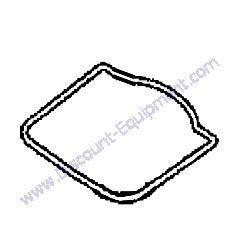
17233Z0V780 SEAL AIR CLEANER COVER MultiQuip MVH158GH Reversible Plate Compactor
PN: 17233Z0V780
$1.54
MultiQuip
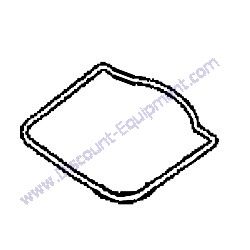
17233Z0V780 SEAL, AIR CLEANER COVER MultiQuip MVH128GH Reversible Plate Compactor
PN: 17233Z0V780
$1.54
MultiQuip
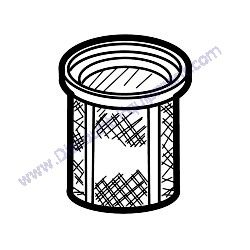
17672Z4H000 FUEL FILTER FUEL TANK Multiquip MVC82VH-MVC82VHW Forward Plate Compactor
PN: 17672Z4H000
$18.21
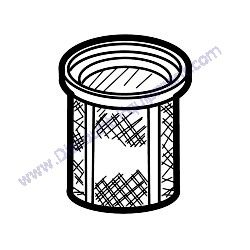
MultiQuip
17672ZE2W01 FUEL FILTER FUEL TANK Multiquip MVC82VH-MVC82VHW Forward Plate Compactor
PN: 17672ZE2W01
$20.34
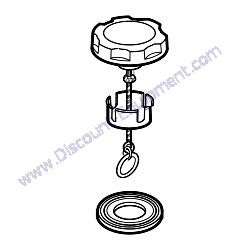
MultiQuip
17620Z4H900 CAP FUEL TANK Multiquip MVC82VH-MVC82VHW Forward Plate Compactor
PN: 17620Z4H900
$149.35
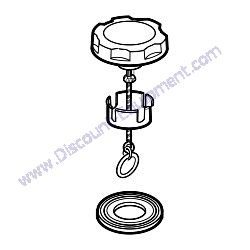
MultiQuip
17620Z4H900 (17620Z4H020) CAP FUEL TANK Multiquip MVC82VH-MVC82VHW Forward Plate Compactor
PN: 17620Z4H900
$149.35
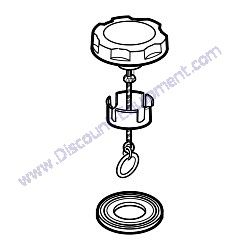
MultiQuip
17620Z4H000 CAP FUEL TANK Multiquip MVC82VH-MVC82VHW Forward Plate Compactor
PN: 17620Z4H000
$122.90
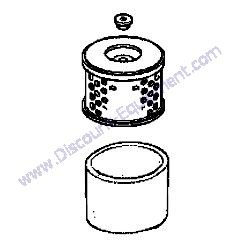
MultiQuip
17210Z0V781 ELEMENT AIR CLEANER Multiquip MVC82VH-MVC82VHW Forward Plate Compactor
PN: 17210Z0V781
$22.32
More from this category
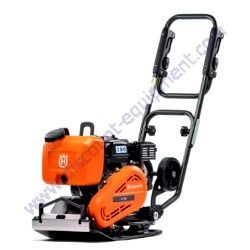
Husqvarna
Husqvarna 967854804 LF 60 HONDA LAT AC 14X22 Genuine OEM Equipment (967 85 48-04)
PN: 967854804
$2199.00
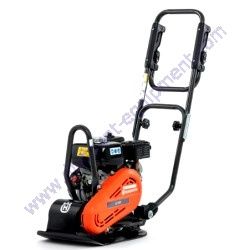
Husqvarna
Husqvarna 967854704 LF 50 L HONDA 6 AC Genuine OEM Equipment (967 85 47-04)
PN: 967854704
$1799.00
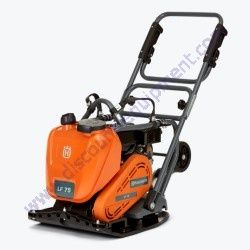
Husqvarna
Husqvarna 970817301 LF 75 PACE 17" Genuine OEM Equipment (970 81 73-01)
PN: 970817301
$3299.00
Husqvarna
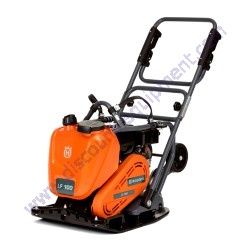
Husqvarna 970817401 LF100 PACE 20" Genuine OEM Equipment (970 81 74-01)
PN: 970817401
$3749.00
Multiquip
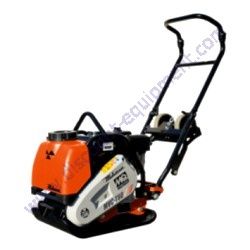
Multiquip MVC60VTHW Plate Compactor Honda GX120 13.8" Plate with Water Tank
PN: MVC60VTHW
$2468.26

Multiquip
Multiquip MVC60VTH Plate Compactor Honda GX120 13.8" Plate *NO WATER TANK*
PN: MVC60VTH
$2381.34
Sakai
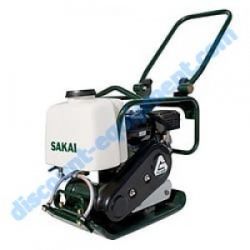
Sakai PC600 Plate Compactor, 13.8, 3.5 hp Honda Engine
Multiquip / Mikasa
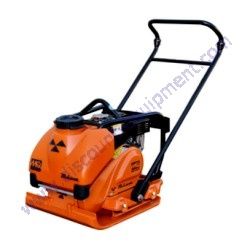
Multiquip / Mikasa MVC88VTHW Plate, 20 wide GX160 Honda GX160 w/ Water Tank
PN: MVC88VTHW
$2911.68
Top selling Multiquip / Mikasa products
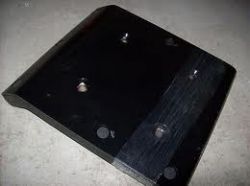
Multiquip / Mikasa
KIT8511S (8511S) Wood Laminate Shoe Kit Multiquip MT70-80 MTX70-90 Rammer
PN: KIT8511S
$380.31
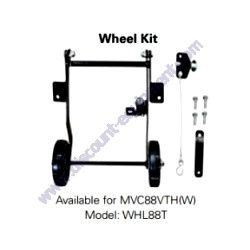
Multiquip / Mikasa
Multiquip / Mikasa WHL88TC Wheel Kit For MVC88VTH(W) Plates, With Cyclone
PN: WHL88TC
$263.90
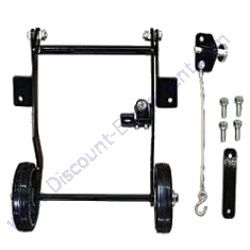
Multiquip / Mikasa
Multiquip / Mikasa WHL82 Wheel Kit MVC82VH MVC82VHW Forward Plate Compactor
PN: WHL82
$234.90
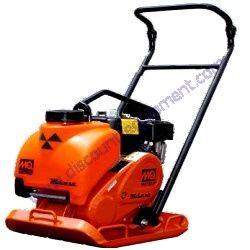
Multiquip / Mikasa
Multiquip / Mikasa MVC82VHW Compactor, Forward Plate - 18", 5.5 HP, Honda GX160 Engine, w/ Water Tank
PN: MVC82VHW
$2398.09
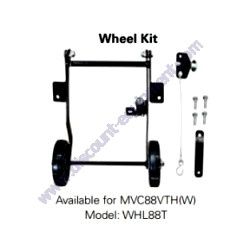
Multiquip / Mikasa
Multiquip / Mikasa WHL88T Wheel Kit MVC88VTH(W) Without Cyclone
PN: WHL88T
$263.90
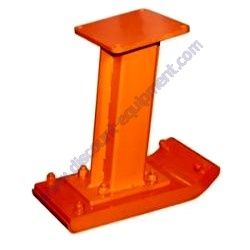
Multiquip / Mikasa
MultiQuip / Mikasa 3504S Shoe 4 Wood for MTR35 MTR40SF
PN: 3504S
$260.28
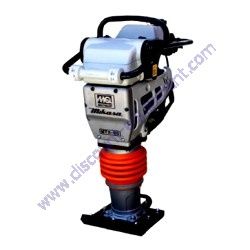
Multiquip / Mikasa
Multiquip / Mikasa MTX70HD Rammer 3350lb. 4-Cycle Honda Anti-Vib
PN: MTX70HD
$4626.30
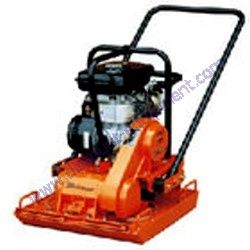
Multiquip / Mikasa
Multiquip / Mikasa MVC90H Compactor Forward Plate, 20", 5.5HP, Honda GX160 Engine, w/ Water Tank
PN: MVC90H
$3300.85
Multiquip / Mikasa
355XA Multiquip / Mikasa Foot, 4"x12" Steel For MTR40 Rammer
PN: 355XA
$282.03
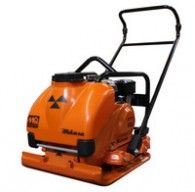
Multiquip / Mikasa
Multiquip / Mikasa MVC88VTHW Compactor, Forward Plate 19.7" x 20.7" 3,372 lb. Honda GX-160
PN: MVC88VTHW
$2911.68
Multiquip / Mikasa
Multiquip / Mikasa MTX80HDR Rammer, Honda GXR120 Engine Diaphragm Carb
PN: MTX80HDR
$5019.46
Multiquip / Mikasa
685XA Multiquip / Mikasa Foot 6.5"X 12" Steel for MT70-80 MTX70-90
PN: 685XA
$282.03